
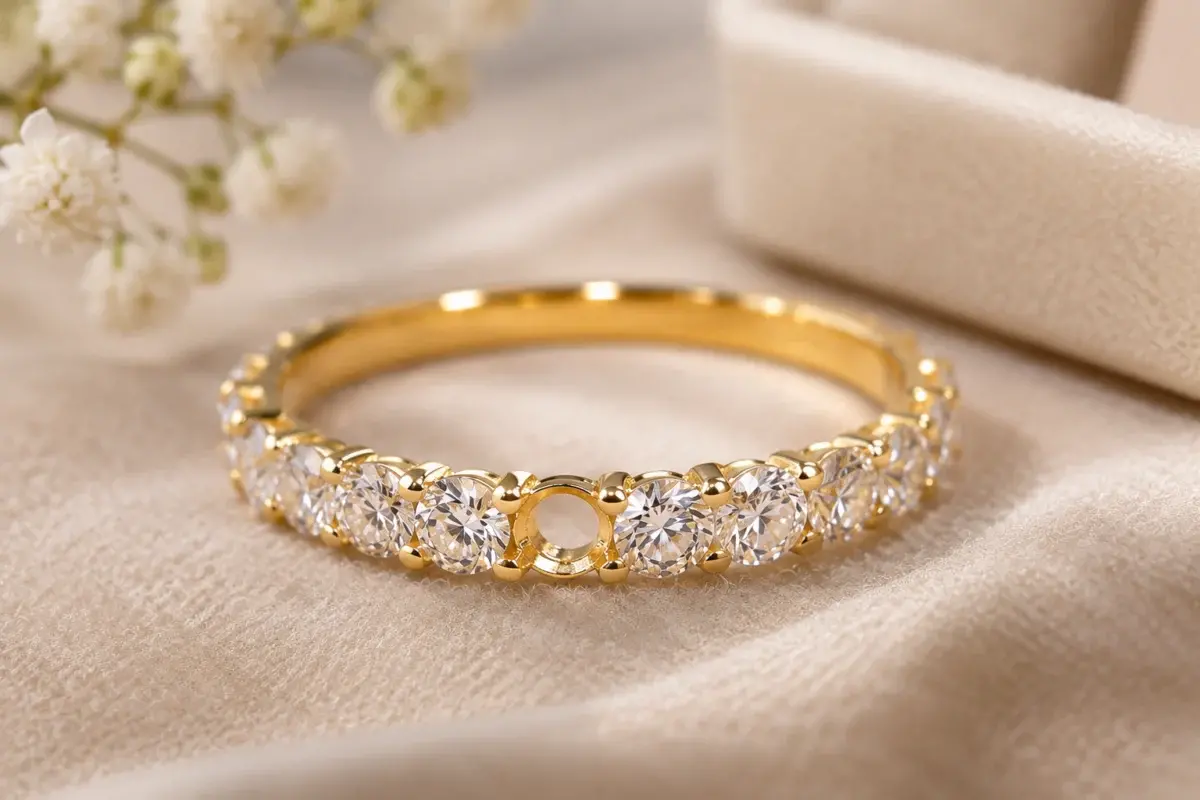
Discovering that a diamond is missing from your favorite ring, bracelet, necklace, or pair of earrings can be upsetting. Aside from the sentimental value of the jewelry, you may also worry about the cost of replacing the stone and repairing the piece.
A missing diamond does not always mean that your jewelry is beyond repair. In many cases, a qualified jeweler can inspect the setting, determine what needs attention, and advise you on possible repair options.
If you notice that a diamond has fallen out of your jewelry, knowing what to do next can help prevent further damage and protect the remaining stones.
Why Do Diamonds Fall Out of Jewelry?
Diamonds are among the hardest natural materials, but the settings that hold them in place can wear down or become damaged over time. Several factors may cause a diamond to loosen or fall out.
1. Loose or Worn Prongs
Prongs are small metal pieces that hold a diamond securely in place. With regular wear, they may become worn, bent, or weakened. When the prongs no longer hold the stone properly, the diamond may move and eventually fall out.
This is especially important for rings worn daily because they frequently come into contact with clothing, furniture, bags, and other surfaces.
2. Accidental Impact
Bumping your jewelry against a hard surface or accidentally dropping it can affect the setting. Even when a diamond does not show visible damage, the impact may loosen the metal holding it in place.
If your ring or bracelet experiences a strong impact, it is worth having the setting checked before wearing it again.
3. Everyday Wear and Tear
Jewelry can experience gradual wear through daily activities. Over time, repeated friction and contact with different surfaces may affect prongs, bezels, links, and other components that secure the stones.
Regular inspection can help identify potential problems before a diamond becomes loose.
4. Damaged or Deformed Settings
A setting may become bent or damaged due to impact, pressure, or previous repairs. If the metal no longer fits securely around the diamond, the stone may be at risk of falling out.
The problem may not always be obvious at first glance, which is why a professional inspection is important when you notice changes in your jewelry.
5. Improper Handling or Storage
Jewelry can become tangled, scratched, or damaged when stored carelessly. Keeping several pieces together may also cause chains and settings to catch on one another.
Although improper storage does not automatically cause a diamond to fall out, careful handling and proper storage can help protect your jewelry from unnecessary damage.
What Should You Do When a Diamond Falls Out?
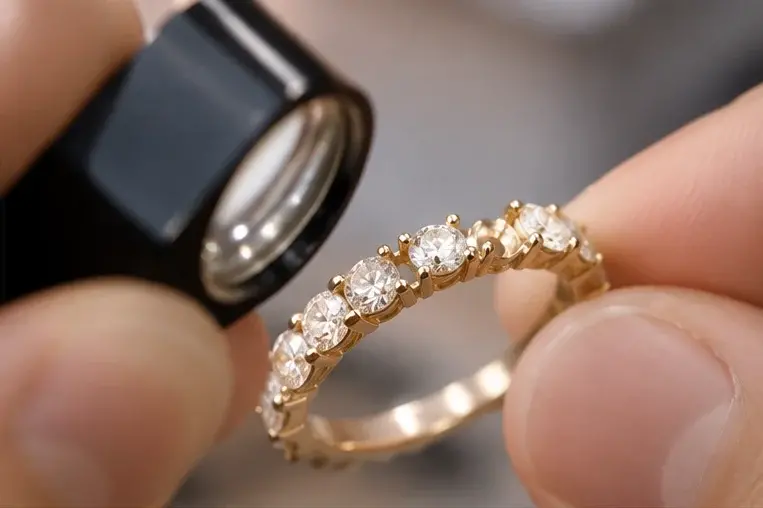
If you discover that a diamond is missing, try not to panic. Taking a few careful steps can help you protect your jewelry and improve the chances of finding the stone.
Step 1: Stop Wearing the Jewelry
Remove the affected piece if it is safe to do so. If a ring or bracelet has a missing stone, the surrounding settings may also need inspection. Continuing to wear it could cause additional stones to loosen or expose the jewelry to further damage.
Step 2: Look for the Missing Diamond
Check the area where you last wore or handled the jewelry. Look around tables, floors, clothing, bags, and other nearby surfaces.
If you find the diamond, place it in a small, secure container. Avoid leaving it loose in a pocket or placing it somewhere it could easily be lost again.
Step 3: Keep the Jewelry and Any Recovered Stone Safe
Store the jewelry separately in a soft pouch or a lined jewelry box. If you have recovered the diamond, keep it in a separate, secure compartment and bring it with you when seeking professional advice.
Avoid attempting to push the diamond back into its setting yourself.
Step 4: Have the Jewelry Professionally Inspected
Bring the jewelry to a qualified jeweler who can examine the setting and surrounding stones. The inspection may help determine whether the problem involves worn prongs, a damaged setting, or another issue.
If the setting is damaged, it may need repair before a replacement diamond can be safely installed.
Step 5: Ask About Repair or Replacement Options
Depending on the condition of the jewelry, possible solutions may include tightening or repairing the setting, replacing a damaged component, or sourcing a suitable replacement diamond.
Ask about the expected cost, repair timeline or service terms before proceeding.
Can a Missing Diamond Be Replaced?
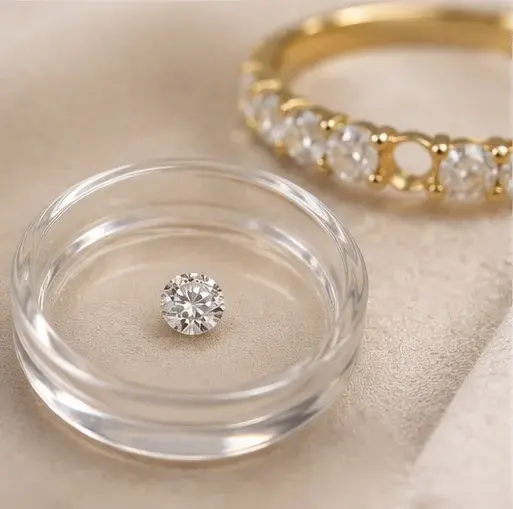
In many cases, yes. Whether a missing diamond can be replaced depends on the condition of the jewelry, the design of the setting, and the availability of a suitable stone.
A jeweler may assess the original stone’s size, shape, color, and other characteristics to help identify an appropriate replacement. If you have documentation or photographs of the original jewelry, these may also help during the assessment.
However, replacing the diamond alone may not be enough. If the setting is worn or damaged, it should be addressed to help reduce the risk of losing the replacement stone.
How Can You Prevent Diamonds from Falling Out?
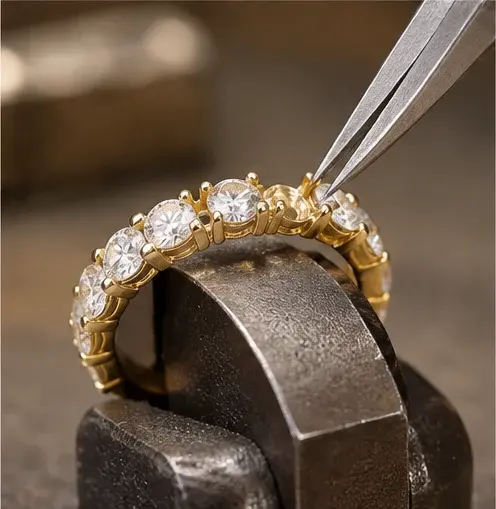
Although no piece of jewelry is completely immune to damage, proper care and regular inspection can help reduce the risk of losing a diamond.
Schedule regular inspections. Have a jeweler check the settings and surrounding metal for visible wear or damage.
Pay attention to loose stones. If a diamond moves, rattles, or appears uneven, stop wearing the piece until it has been inspected.
Remove jewelry during activities that may cause impact. Exercise, heavy household tasks, and other activities may expose jewelry to unnecessary knocks or pressure.
Store pieces separately. Use a jewelry box with individual compartments or soft pouches to reduce tangling and contact between pieces.
Handle jewelry carefully. Avoid pulling, pressing, or attempting to adjust prongs or settings yourself.
Address damage promptly. If a setting appears bent or worn, have it assessed before the problem becomes worse.
Does a Missing Diamond Mean the Jewelry Is Fake?
No. A diamond falling out does not automatically mean that the jewelry is fake or that the diamond was of poor quality.
The security of a stone depends partly on its setting and how the jewelry has been worn, handled, and maintained. Even genuine diamond jewelry can require repairs as its metal components experience wear over time.
If you have concerns about the diamond’s authenticity, a qualified professional can advise you on appropriate assessment methods. The fact that a stone has fallen out is not, by itself, proof of authenticity or a lack of it.
Is It Safe to Continue Wearing Jewelry with a Missing Stone?
It is generally best to stop wearing the affected piece until it has been inspected. A missing diamond may indicate that the setting needs attention, and other stones in the same piece may also be loose.
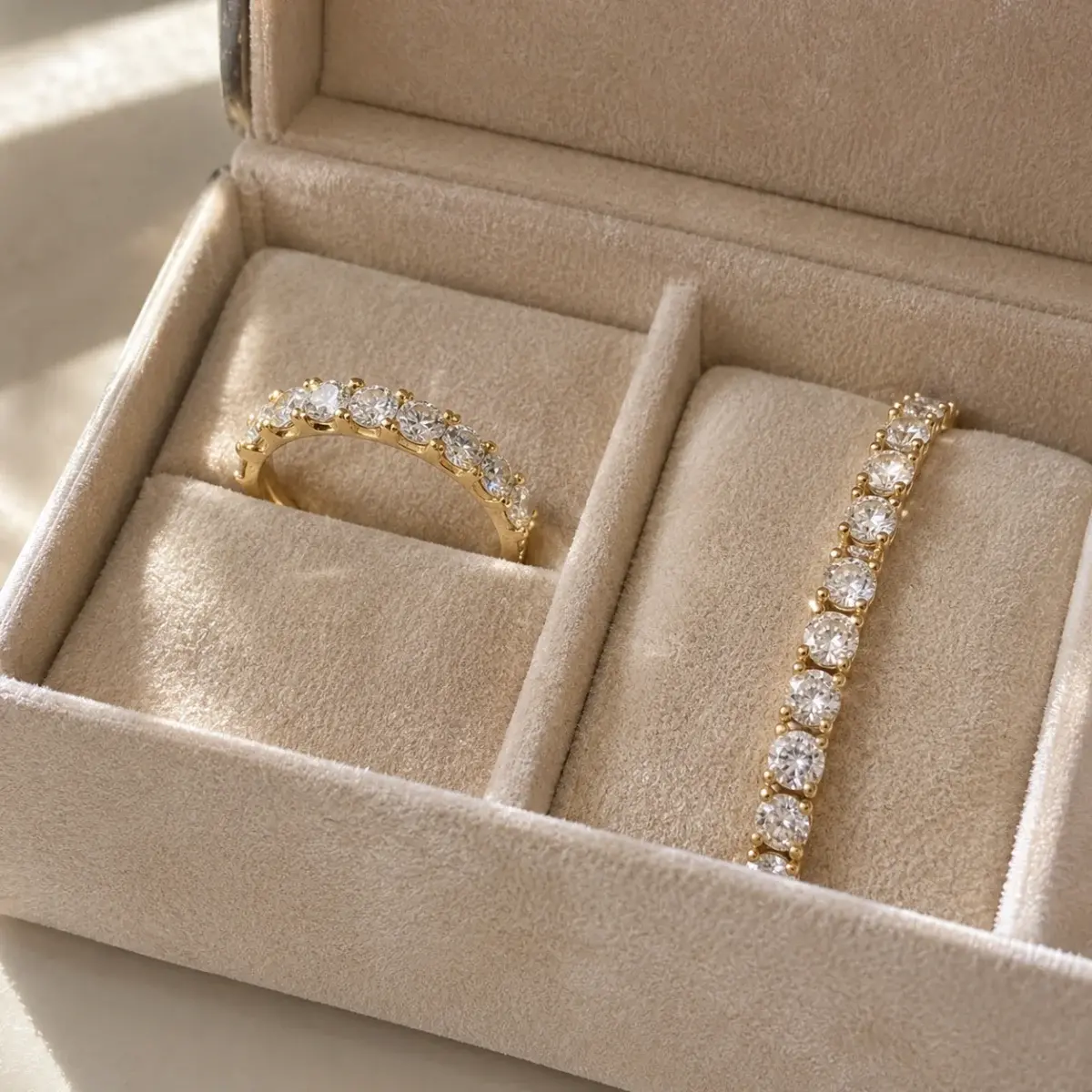
This is particularly important for jewelry with multiple diamonds, such as tennis bracelets, tennis necklaces, and cluster rings. A professional inspection can help identify potential problems before more stones are lost.
Final Thoughts: Protect Your Diamonds with Proper Jewelry Care
Losing a diamond can be disappointing, especially when the jewelry holds sentimental or financial value. Fortunately, a missing stone does not always mean the piece cannot be restored. The appropriate repair will depend on the condition of the setting and whether the original diamond can be recovered.
If a stone falls out, stop wearing the jewelry, keep the piece and any recovered diamond safe, and consult a qualified jeweler about inspection and repair options.
At Maddox Jewelry, we believe that caring for fine jewelry goes beyond keeping it beautiful. Paying attention to loose stones, maintaining the settings, and seeking professional guidance when needed can help protect your jewelry and preserve the pieces you treasure.
Remember: If you notice a loose diamond, do not wait for it to fall out. Having the setting checked early may help prevent a more costly repair or the loss of the stone.
Conversations