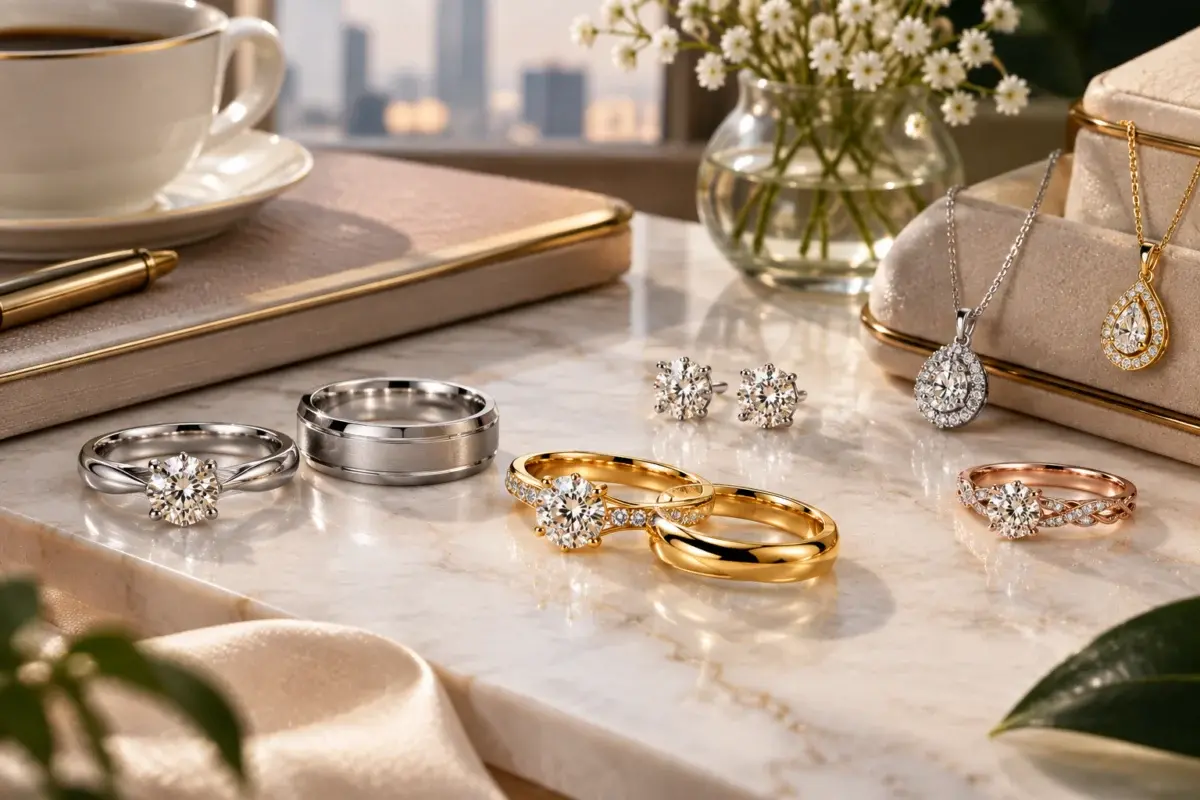
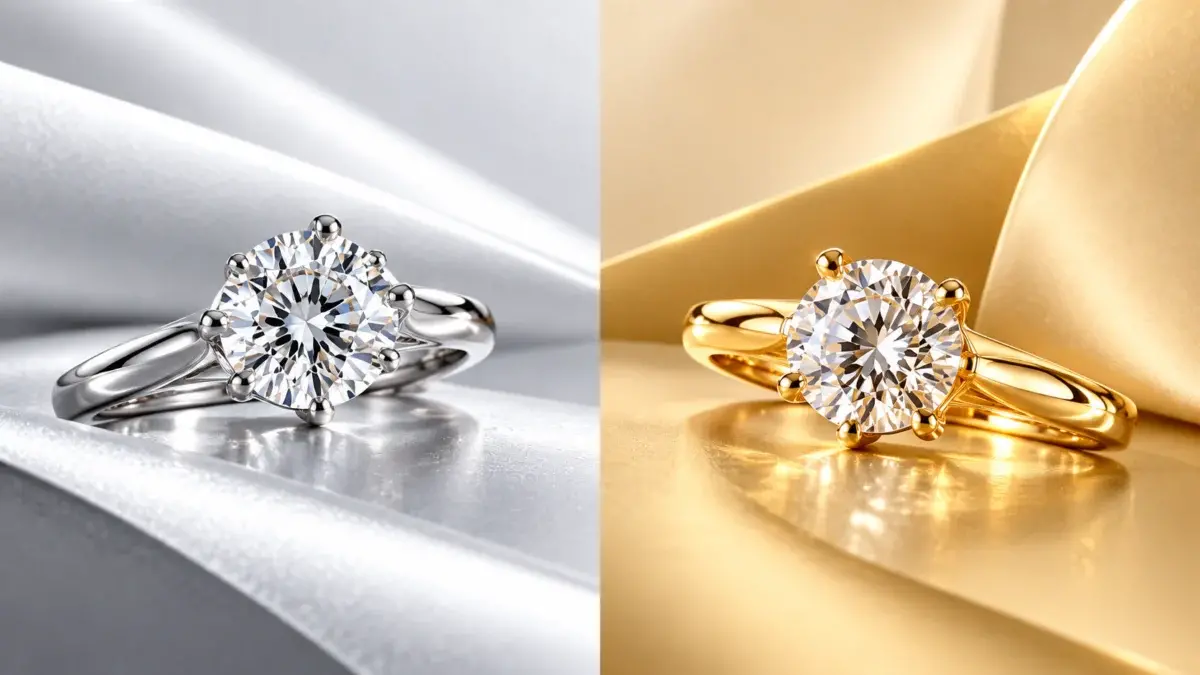
One is naturally white and prized for its purity. The other carries the timeless beauty of gold. But when you’re choosing jewelry meant to last for years—even a lifetime—which one deserves a place in your jewelry box?
In the Philippines, jewelry is more than an accessory. It can be a symbol of love, a wedding-day treasure, a gift for a milestone birthday, a remembrance of a special occasion, or a family heirloom passed from one generation to the next.
From engagement rings and wedding bands to diamond earrings and necklaces, choosing the right precious metal is a decision that goes beyond appearance. It involves quality, craftsmanship, maintenance, personal style, and, of course, budget.
Two popular choices in fine jewelry are platinum and 18K gold. Both are precious metals, both can create breathtaking jewelry, and both can last for years with proper care. Yet they offer different advantages.
So, before you fall in love with the sparkle of a diamond, let’s discover what truly sets these two metals apart.
THE BEAUTY BEHIND THE METAL — WHAT MAKES PLATINUM AND 18K GOLD DIFFERENT?
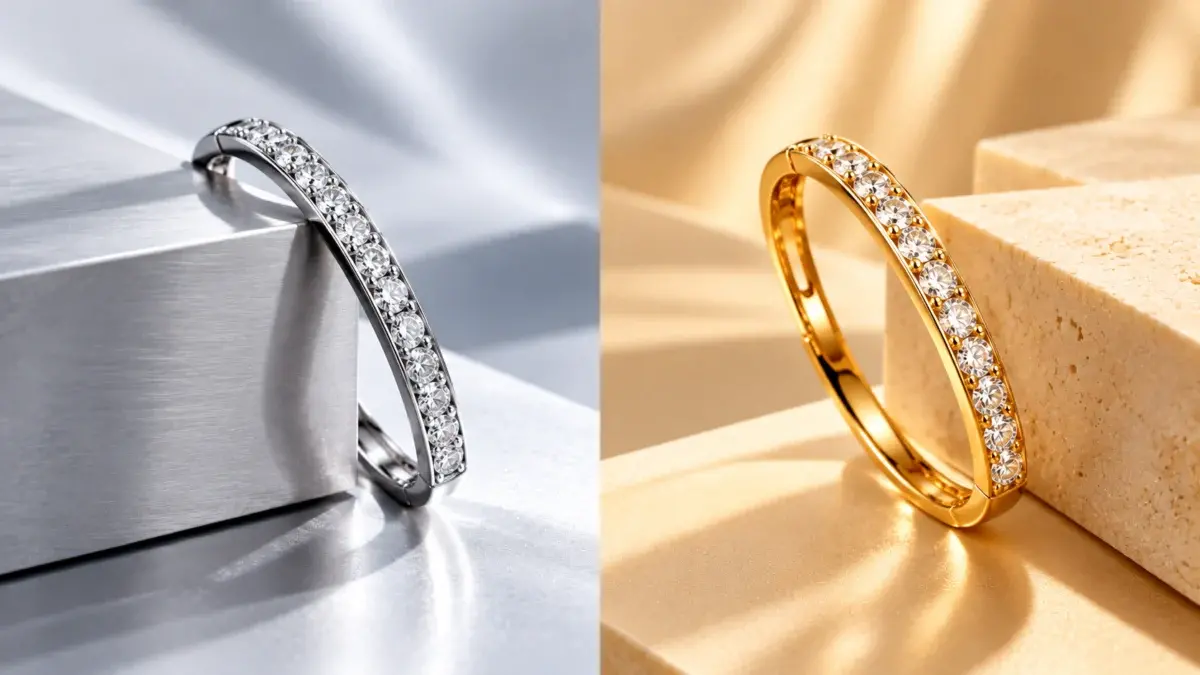
At first glance, platinum and white gold may look almost identical. Both offer an elegant, silvery appearance that beautifully complements diamonds. But beneath that similar shine are two very different metals.
Platinum: Naturally white. Naturally distinctive.
Platinum is a naturally white precious metal prized for its density, substantial feel, and use in fine jewelry. High-purity platinum jewelry is commonly marked Pt950, meaning it contains 95% platinum.
One of its defining advantages is that its white color comes from the metal itself. It does not require rhodium plating to create a white appearance.
18K gold: Timeless beauty with more choices.
18K gold contains 75% pure gold, with the remaining 25% made up of other metals that influence its color and properties. It is available in yellow gold, white gold, and rose gold.
Yellow gold remains a classic choice for Filipinos who appreciate the traditional warmth of gold. White gold appeals to those who prefer a sleek, modern look, while rose gold offers a softer, romantic finish.
Here’s an important distinction: 18K gold contains more gold by mass than 14K gold, but platinum jewelry can have a higher overall precious-metal purity. That does not automatically make one the better purchase; composition, craftsmanship, design, and intended use all matter.
Imagine two engagement rings with equally beautiful diamonds. One is set in platinum, while the other features 18K yellow gold. Neither is automatically more beautiful or more meaningful. The difference lies in the look you love, the material you prefer, and how you want to wear your jewelry.
And that’s where the real comparison begins.
THE REAL TEST — WHICH METAL CAN HANDLE EVERYDAY LIFE?
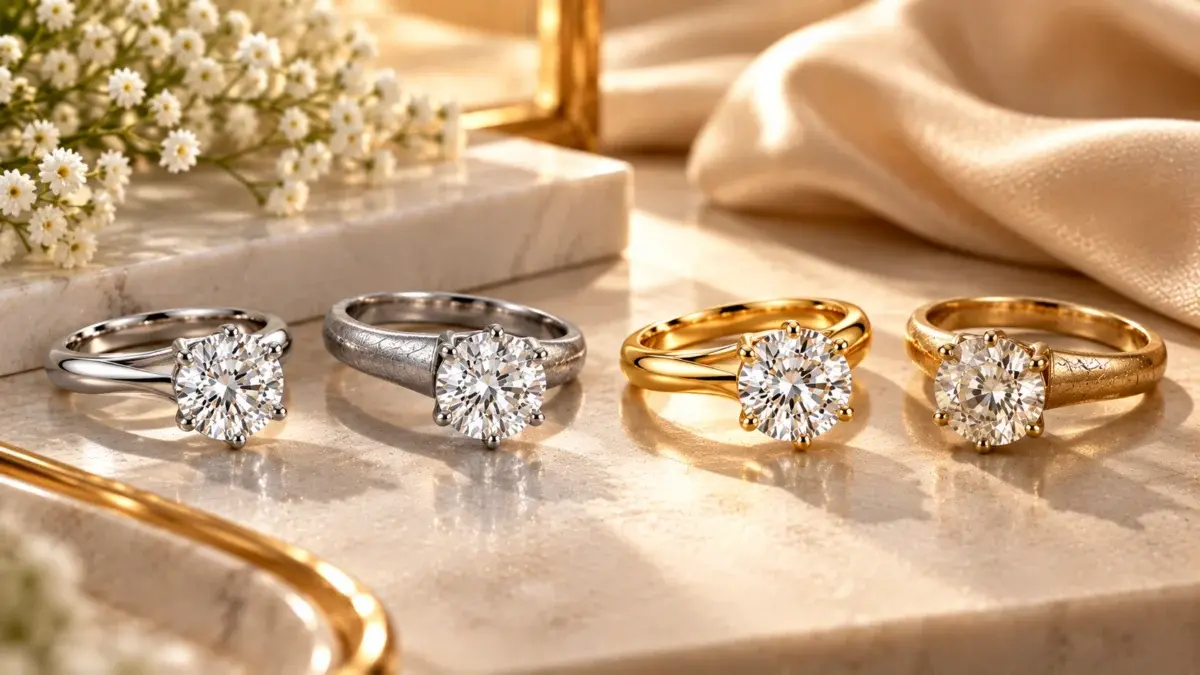
A beautiful ring may catch your eye in the showroom, but the real question is: How will it look after years of wearing it?
For Filipinos with busy lifestyles—from commuting to work and running errands to preparing for family gatherings and celebrating special occasions—practicality matters just as much as beauty.
Platinum: Made for a lifetime of memories
Platinum is dense and substantial, giving jewelry a noticeably heavier feel. It is valued for its ability to retain metal as it wears: scratches tend to displace the metal rather than remove it. Over time, platinum develops a soft, satin-like finish called a patina.
Some people love this natural aging because it gives a ring character. Others prefer the freshly polished look, which a professional jeweler can restore.
18K gold: A classic that adapts to your style
18K gold is an excellent option for fine jewelry when properly designed and cared for. Its different alloy compositions allow jewelers to create a wide range of colors and styles, from traditional yellow gold to contemporary white gold.
However, gold can scratch and gradually lose small amounts of metal through wear and polishing. White gold commonly has a rhodium coating to achieve its bright white finish. That coating can wear away and may need professional replating.
Neither metal is scratch-proof, and neither eliminates the need to inspect your jewelry’s settings.
The practical example: An engagement ring worn every day
Imagine a Filipina wearing her diamond engagement ring from her wedding day through anniversaries, family celebrations, and everyday life.
If she chooses platinum, she gets a naturally white metal that does not need rhodium replating. If she chooses 18K white gold, she gets a lighter-feeling alternative that may require occasional replating to maintain its bright white appearance.
If she prefers the warm glow of yellow gold, platinum cannot replace that particular look.
The lesson? The best metal is not simply the one advertised as stronger. It is the one whose characteristics suit your lifestyle, expectations, and willingness to maintain it.
THE PRICE QUESTION — IS PLATINUM WORTH THE EXTRA MONEY?
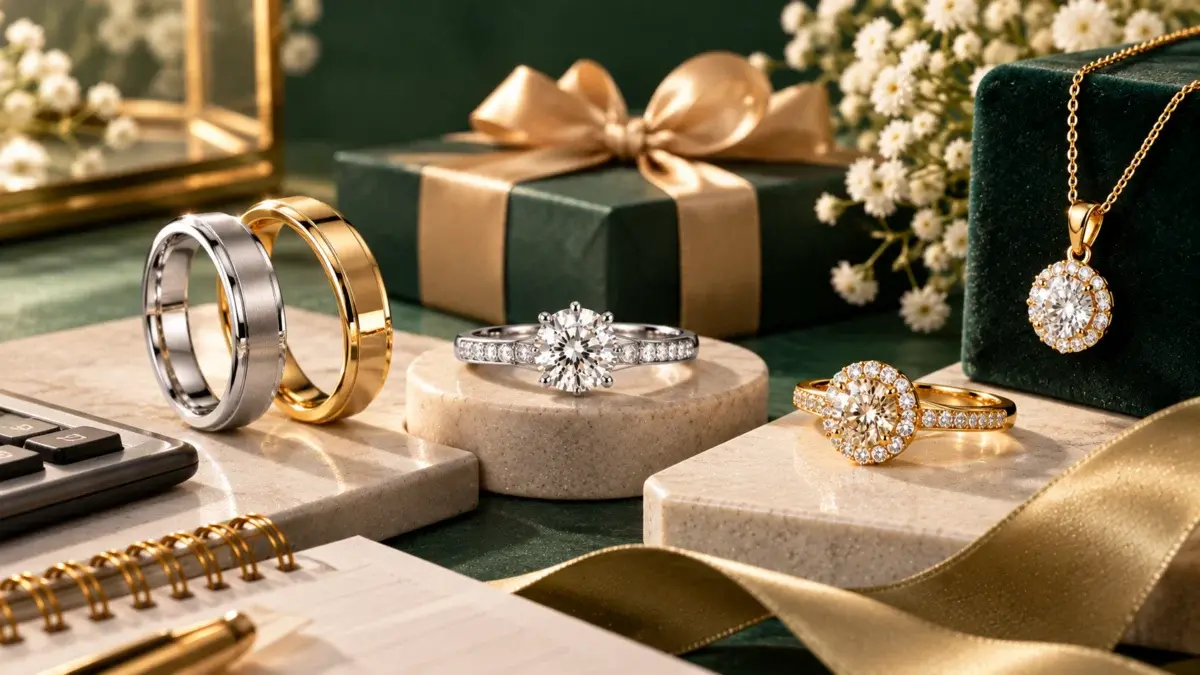
Let’s talk about something every practical Filipino shopper considers: the budget.
Whether you are saving for an engagement ring, preparing for a wedding, buying an anniversary gift, or treating yourself to a beautiful piece of diamond jewelry, you want your hard-earned money to go toward something worthwhile.
Platinum generally costs more than comparable 18K gold jewelry. Its higher density means more metal weight is needed for an identical volume, and manufacturing costs also affect the final price. The actual price difference varies by design, metal purity, weight, craftsmanship, and the seller.
But a higher price does not automatically mean a better choice for every buyer.
Consider these three situations:
Example 1: The couple planning a wedding
A couple wants diamond wedding rings but also needs to budget for their venue, reception, attire, and other wedding expenses. They may prefer 18K gold because it offers precious-metal quality and design flexibility while leaving more room in the budget for other priorities.
Example 2: The buyer who loves white jewelry
A customer wants a naturally white engagement ring and prefers not to maintain a rhodium-plated finish. Platinum may be worth considering if the higher initial price fits the budget.
Example 3: The person buying a meaningful family gift
Someone wants to give a diamond pendant to a mother, wife, or daughter for a milestone birthday. If the recipient loves yellow gold, an 18K gold pendant may be more meaningful than a platinum piece chosen solely because it costs more.
Before purchasing, compare the actual pieces—not just the names of the metals. Ask about the purity, weight, design, diamond specifications, included documentation, warranty, and after-sales service.
And remember: a jewelry purchase should bring joy, not financial pressure. You do not have to choose the most expensive option to choose something beautiful.
THE FINAL VERDICT — WHICH ONE SHOULD YOU CHOOSE?
So, platinum or 18K gold? The answer becomes much easier when you start with what matters most to you.
Choose platinum if you:
Prefer a naturally white precious metal.
Appreciate a heavier, substantial feel.
Want to avoid the need for rhodium replating.
Are comfortable with the typically higher upfront price.
Like the way platinum develops a natural patina over time.
Choose 18K gold if you:
Love the timeless warmth of yellow gold.
Prefer more color options, including white and rose gold.
Want greater flexibility when planning your jewelry budget.
Appreciate a classic material used in engagement rings, wedding bands, earrings, and necklaces.
Are comfortable with the maintenance appropriate to your particular gold alloy and finish.
Here is one final reminder: if you are comparing platinum with 18K white gold, remember that their similar appearance can be misleading. Platinum is naturally white, while 18K white gold is an alloy of gold and other metals, commonly finished with rhodium plating. Ask the jeweler to identify the actual metal and its purity rather than relying on appearance alone.
For Filipino families, jewelry often becomes part of our stories. A ring may remind us of a proposal, a wedding band may represent years of partnership, and a necklace may become a treasured gift passed down to a daughter or granddaughter.
Those memories are not measured by the price tag.
The most valuable piece is not necessarily the most expensive one. It is the one you choose with confidence, wear with pride, and treasure for the meaning it holds.
Whether you choose platinum or 18K gold, choose wisely, understand what you are buying, and let your jewelry tell a story worth keeping.