
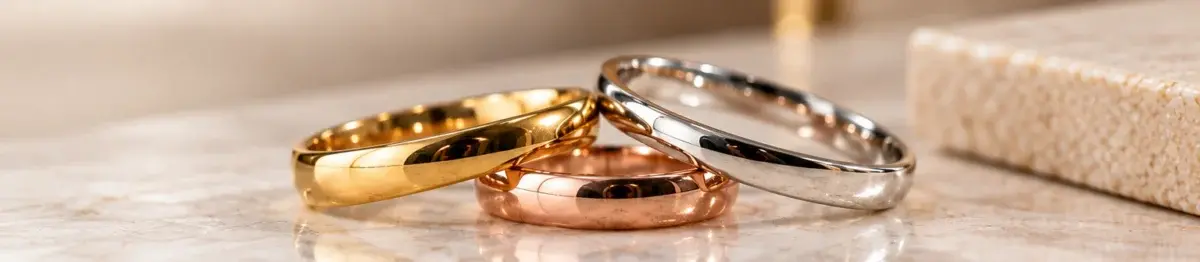
Gold jewelry is treasured for its beauty, elegance, and lasting value. Whether it is a yellow gold ring, a white gold necklace, or a rose gold bracelet, you naturally expect your jewelry to maintain its beautiful appearance over time.
But what happens when your gold jewelry starts looking darker, duller, or different in color than when you first bought it?
Before you worry that your jewelry is fake or damaged, it is important to understand that gold jewelry can change in appearance for several reasons. The cause may be everyday dirt and product buildup, the metals mixed with the gold, or wear to a plated surface.
In this guide, Maddox Jewelry explains why gold jewelry changes color, how to care for it, and when it may need professional attention.
Does Real Gold Jewelry Change Color?
Yes, real gold jewelry can change in appearance, but the reason depends on its gold purity, metal composition, surface finish, and how it is used and maintained.
Pure gold, also known as 24K gold, is highly resistant to tarnishing. However, most gold jewelry is made with gold mixed with other metals to improve its strength and suitability for everyday wear.
For example, 14K and 18K gold contain other metals in addition to gold. These alloy metals can react with certain environmental conditions or substances, potentially affecting the jewelry’s surface over time.
It is also important to distinguish between a change in appearance caused by dirt or residue and an actual change to the metal or its finish. Not every dark or dull spot means your gold jewelry is permanently damaged.
What Causes Gold Jewelry to Change Color?
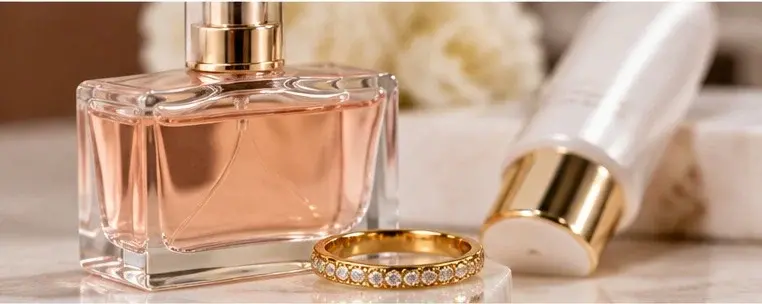
There are several possible reasons why your gold jewelry may look different over time.
A. Contact With Perfume, Lotion, and Other Products
Perfume, body lotion, cosmetics, hair products, and other personal care products can leave residue on gold jewelry. This buildup may make the surface look dull or less shiny.
Some products may also contain ingredients that react with certain metals in gold alloys.
What you can do: Apply perfume, lotion, and cosmetics before putting on your jewelry. Allow the products to dry before wearing your gold pieces.
B. Sweat, Moisture, and Environmental Exposure
Sweat, humidity, and exposure to certain substances may contribute to changes in the appearance of gold jewelry, particularly when the piece contains alloy metals that are more reactive than gold itself.
Jewelry worn daily may also accumulate oils and residue that affect its shine.
What you can do: After wearing your jewelry, gently wipe it with a clean, soft cloth. Store it in a dry place when it is not being used.
C. The Gold Purity and Metal Alloys
The karat rating tells you how much gold is present in a piece of jewelry. Since 14K and 18K gold contain different proportions of gold and other metals, their composition can influence their durability, color, and response to certain conditions.
For example, white gold contains metals that help create its lighter appearance, while rose gold typically contains more copper than yellow gold. These different compositions can affect how each type of gold behaves over time.
A change in appearance does not automatically mean that the jewelry contains less gold than stated.
D. Wear and Tear From Everyday Use
Rings, bracelets, necklaces, and other frequently worn pieces are exposed to friction, contact with hard surfaces, and everyday activities.
Over time, this can cause fine scratches, a loss of shine, or changes to the surface finish. Jewelry with a plated finish may also show the underlying metal as the plating wears away.
What you can do: Remove jewelry before activities that may expose it to impact, abrasion, or harsh chemicals. Have frequently worn pieces inspected when necessary.
E. The Plating May Be Wearing Off
Some jewelry has a thin layer of another metal applied to its surface to achieve a particular color or finish.
For example, many white gold pieces are rhodium-plated to create a bright, reflective white appearance. As this plating wears away, the natural color of the white gold alloy underneath may become more noticeable.
This does not necessarily mean the jewelry is fake. It may simply need professional assessment and, if appropriate, replating.
Why Is My Gold Jewelry Turning Black or Dark?
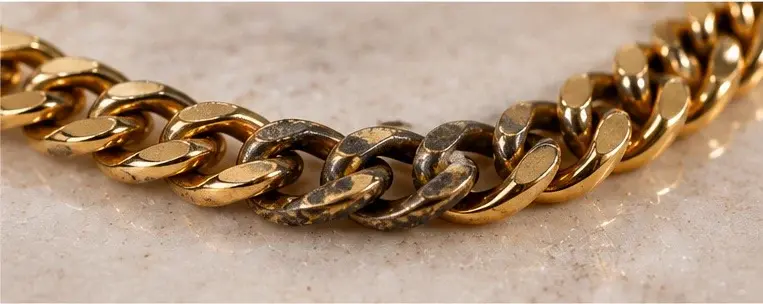
f your gold jewelry has developed dark areas, there are several possible explanations.
The discoloration may come from accumulated dirt, oils, cosmetics, or other residue. In some cases, the alloy metals may react with substances in the surrounding environment. Surface wear or changes to a plated finish may also affect the jewelry’s appearance.
However, black discoloration alone cannot determine whether gold jewelry is genuine or fake.
Avoid using abrasive materials or strong household chemicals to remove dark spots. These may scratch the surface or damage the finish.
If the discoloration remains after gentle cleaning with a method suitable for your specific jewelry, consult a qualified jeweler to determine the cause.
Why Is My White Gold Turning Yellow?
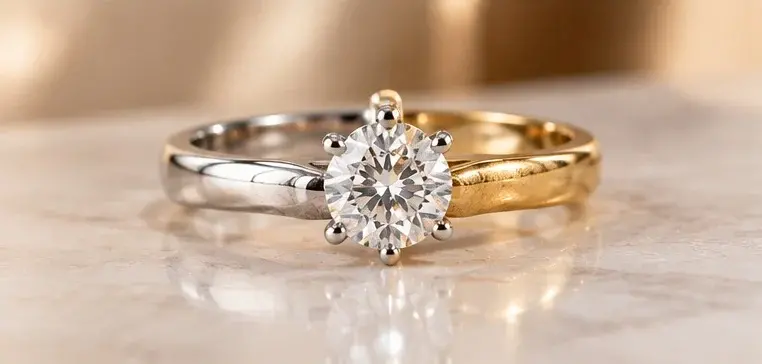
White gold is not necessarily naturally bright white. It is made by combining gold with other metals to create a lighter-colored alloy, and many white gold pieces receive a rhodium coating to achieve a bright white finish.
Over time, the rhodium coating may wear down, especially in areas that experience frequent friction. When this happens, the warmer, slightly yellowish tone of the underlying white gold may become visible.
This is a common maintenance consideration for rhodium-plated white gold jewelry.
A jeweler can assess whether the piece would benefit from professional cleaning or rhodium replating. The appropriate treatment depends on the jewelry’s condition and construction.
How Can You Prevent Your Gold Jewelry From Changing Color?
Although you cannot prevent every form of surface wear, proper jewelry care can help maintain your gold jewelry’s appearance.
Follow these simple tips:
1. Clean it gently: Use a soft cloth and a cleaning method suitable for the specific gold piece and any gemstones it contains.
2. Avoid harsh chemicals: Keep jewelry away from bleach, chlorine, and strong cleaning products.
3. Apply personal care products first: Let perfume, lotion, and cosmetics dry before wearing your jewelry.
4. Remove jewelry during certain activities: Take off your pieces before swimming, cleaning with chemicals, exercising, or doing work that may cause scratches or impact.
5. Store pieces separately: Use a clean, dry jewelry box or soft pouch to help prevent scratches and tangling.
6. Schedule professional inspections: Have settings, clasps, and worn finishes checked when needed, especially for jewelry you wear frequently.
Remember that cleaning recommendations can vary depending on the gold alloy, gemstones, setting, and finish. If your jewelry contains delicate stones or has a special coating, ask a jeweler about the safest cleaning method.
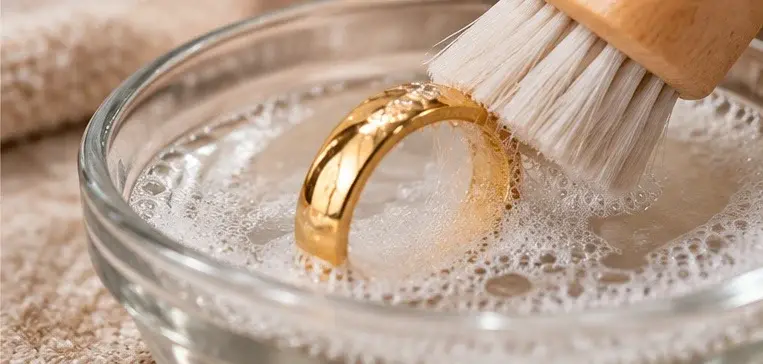
Can Discolored Gold Jewelry Be Restored?
In many cases, gold jewelry that has lost its shine or changed in appearance can be improved. However, the right solution depends on what caused the change.
a. If the problem is surface buildup: Appropriate cleaning may restore the jewelry’s shine.
b. If the surface has fine scratches: A professional may recommend suitable polishing, depending on the piece.
c. If rhodium plating has worn away: White gold jewelry may benefit from replating.
d. If the metal or finish has been damaged: A jeweler should assess the piece and recommend an appropriate repair.
Not every piece should be polished or replated, and repeated polishing can remove some metal over time. It is best to have valuable or delicate jewelry assessed before undergoing any treatment.
Does Changing Color Mean Your Gold Jewelry Is Fake?
No. A change in color or shine does not automatically mean that your gold jewelry is fake.
Genuine gold jewelry may look different over time because of residue, alloy composition, surface wear, or changes to a plated finish. On the other hand, appearance alone cannot confirm that a piece is genuine.
If you are concerned about the authenticity or condition of your jewelry, have it examined by a qualified jeweler using appropriate testing methods.
Avoid relying solely on home remedies or visual inspection to determine gold purity.
Final Thoughts: Keep Your Gold Jewelry Looking Beautiful
Gold jewelry can remain beautiful for years with proper care, but its appearance may change depending on its composition, finish, and exposure to everyday products and activities.
If your gold jewelry is turning dark, looking dull, or showing a different color, do not immediately assume that it is fake or permanently damaged. Identify the possible cause first, avoid harsh cleaning methods, and seek professional advice when necessary.
At Maddox Jewelry, we believe that understanding your jewelry is an important part of caring for it. Knowing the difference between normal surface buildup, wear, and changes to a plated finish can help you make better decisions about maintaining your favorite pieces.
Have questions about your gold or diamond jewelry? Explore more educational articles in the Maddox Jewelry Guides section to learn about jewelry care, diamond knowledge, gold purity, and choosing the right jewelry for you.
This article provides valuable knowledge and helpful insights about proper gold jewelry care. It reminds customers that changes in color or shine do not automatically mean that their jewelry is fake. I appreciate how Maddox Jewelry educates customers about gold purity, proper maintenance, and the importance of professional assessment before having jewelry cleaned or repaired. This information builds customer confidence, promotes smart jewelry buying decisions, and shows the importance of choosing quality and trusted jewelry. Maddox Jewelry is not just about beauty and elegance, but also about educating customers and helping them protect the value of their precious investments.
This is why I always check the karat before buying! I used to panic when my 18k pieces would darken a bit, but learning that even higher karats still contain alloy metals to react with sweat and air cleared up the mystery. Thanks for breaking down the science behind this!!!
I’ve always wondered why gold jewelry sometimes changes color. This article explains it well and reminds us how important proper jewelry care is. Very helpful for gold jewelry lovers!
This is an interesting and engaging topic that highlights the importance of authenticity, value, and trust when it comes to luxury jewelry.Overall, it is a compelling topic that combines luxury, credibility, and consumer awareness.
alam ko na nagcha-change talaga ang color ng gold jewelry, akala ko fake agad or acidic lang ako kaya nagbago ang kulay, but dito ko lang nalaman yung iba pang reasons kung bakit ito nangyayari. this article explained it really well, very informative and helpful naman this one 👏✨
This articles is a big help who love to collect gold jewelries like me, on how to taking care of your pieces of gold. Thank you for the informative articles.
omg, now ko lang nalaman.very informative.mas maging wais na ako next time na mag buy ako.
WOW VERY HELPFUL
Thank you po for this. Really helps a lot, Now I have enough knowledge if I want to purchase jewelries in the future.🥰🤩
Thank you dito, very useful tips ito, malaking tulong sa mga tulad naming collectors na paano linisin ang aming alahas.